Are you considering relocating and living in Lincoln?
Lincoln has continued to evolve into a modern yet historically rich city, blending medieval architecture with innovative developments, making it a truly great place to live. As of 2026, the city’s population stands at around 105,000 residents, making it a lively place to call home while retaining plenty of local charm.
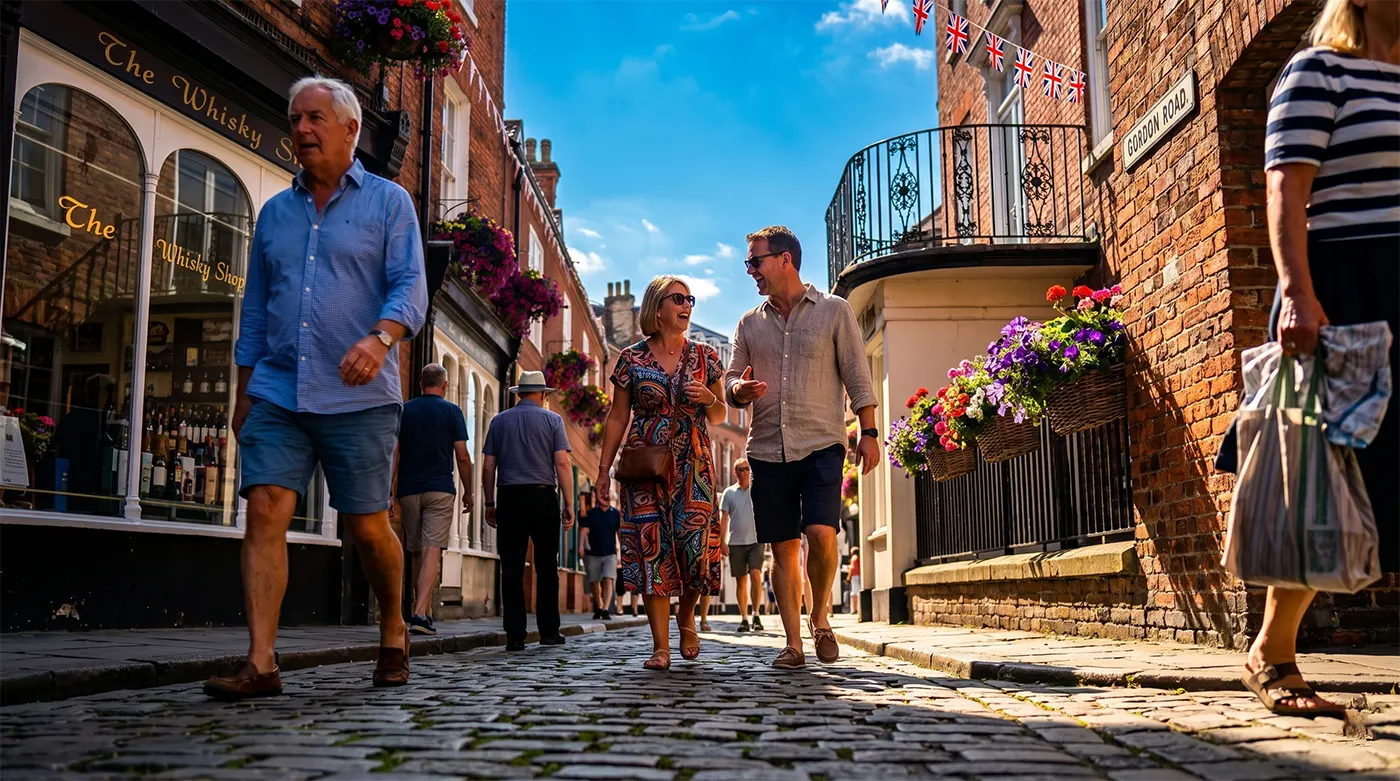
Strolling along Steep Hill reveals cobbled streets, traditional shops, and remarkable landmarks like the stunning Lincoln Cathedral. Meanwhile, a thriving arts scene and popular independent cafes highlight the city’s modern spirit.
Whether you’re moving for career opportunities, educational pursuits, or simply seeking a new environment, Lincoln’s character quickly becomes apparent. From the University of Lincoln, which draws international scholars, to cultural festivals in the historic quarter, there’s always something going on.
If you appreciate a blend of tradition and forward-thinking energy, Lincoln might just be the perfect place to call home.
Quick Answer
Lincoln is a historically rich, affordable, and well-connected city in the East Midlands. In 2026, the average house price in Lincoln is around £221,000, with private rents averaging £938 per month. The city offers a strong economy, excellent schools, a thriving arts scene, and fast rail links to Nottingham, Sheffield, and London. It remains significantly more affordable than the national average UK house price of £271,000.
Housing and Cost of Living in Lincoln 2026
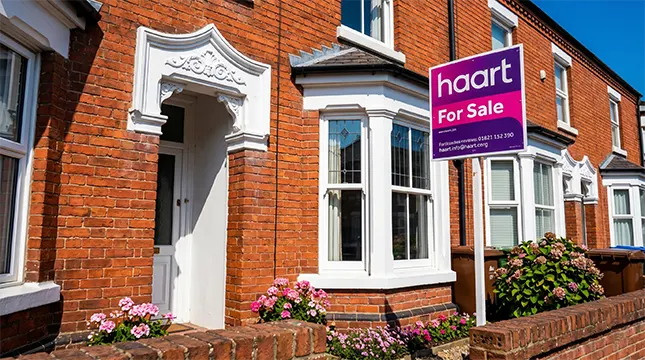
Lincoln’s housing market in 2026 continues to offer excellent value compared with national averages, with a broad mix of period properties, modern apartments, and family-friendly new-build developments to choose from.
Lincoln house prices in 2026:
The average property price in Lincoln is approximately £221,000, according to Rightmove data updated in May 2026. Semi-detached homes average around £220,000, terraced properties around £174,000, and detached homes approximately £302,000. This compares favourably with the UK average of £271,000.
Areas around the Cathedral Quarter continue to attract buyers seeking characterful homes, while new-build estates on the outskirts offer modern amenities tailored to busy lifestyles. According to ONS House Price Index data (ons.gov.uk), the average house price in Lincoln was £183,000 in November 2025 based on Land Registry completions, with semi-detached properties growing by 2.7% year on year.
For renters, private rental values in Lincoln averaged £938 per month in December 2025, a 7.6% year-on-year increase. While this reflects national rental market pressures, Lincoln remains significantly more affordable than comparable cities in the South East or the major urban centres of the Midlands.
For those looking to buy, first-time buyer properties averaged around £164,000 in late 2025, making Lincoln one of the more accessible cities for those taking their first step onto the property ladder. Day-to-day living costs remain below the national average, and the city’s balance of affordability and quality makes it an appealing choice for a diverse range of households.
To explore current property listings in Lincoln, visit Rightmove Lincoln (rightmove.co.uk) or Zoopla Lincoln (zoopla.co.uk) for the latest homes for sale and to rent.
Career Opportunities and Economy

Lincoln’s economy remains resilient and diversified in 2026, with strong employment across technology, manufacturing, healthcare, tourism, and education.
The Lincoln Science and Innovation Park continues to nurture cutting-edge startups, offering job prospects in research and development. Established employers such as Siemens Energy maintain the city’s long-standing reputation in engineering, while Lincolnshire County Council is a significant source of stable public-sector employment across a wide range of roles.
Tourism continues to flourish thanks to year-round attractions including Lincoln Castle, Lincoln Cathedral, and the Brayford Waterfront, sustaining strong demand in local hospitality and retail. The city’s proximity to agricultural Lincolnshire also supports food production and logistics roles throughout the wider county.
Remote and hybrid working has continued to expand access to opportunities beyond the immediate local market, with many Lincoln residents now working for employers across the UK while enjoying the city’s lower cost of living. Graduates from the University of Lincoln benefit from established links to internship programmes and local employer networks, making it easier for new talent to find their footing.
Education and Schools in Lincoln

Families relocating to Lincoln will find a broad range of educational options, from high-performing primary schools to reputable academies, sixth forms, and independent options.
Well-regarded institutions include Westgate Academy and The Priory City of Lincoln Academy, both of which carry strong academic records and supportive community environments. Independent education options are also available for families seeking alternatives to the state sector.
The University of Lincoln (lincoln.ac.uk) remains the city’s central pillar of higher education, drawing students from across the UK and internationally. The university continues to invest in modern facilities, including robotics and engineering labs, creative arts studios, and industry partnership programmes that connect graduates directly with employers.
With strong collaboration between schools, colleges, and local businesses, Lincoln nurtures the next generation in an environment that is both inclusive and ambitious. Whether you’re seeking early-years provision or advanced research opportunities, the city’s educational landscape covers a wide range of needs.
Cultural Attractions and Entertainment

Steeped in history yet brimming with contemporary energy, Lincoln offers an impressive range of cultural highlights throughout the year.
Lincoln Castle showcases its iconic walls and remarkable views across the city, while The Collection Museum offers interactive displays covering local archaeology and fine art. Live music and theatre enthusiasts can head to the New Theatre Royal Lincoln for a diverse programme of performances, from classic productions to modern touring shows.
Every December, the Lincoln Christmas Market draws visitors from across the UK, filling the medieval streets with artisanal stalls, seasonal food, and festive atmosphere. If you prefer a quieter afternoon, a stroll along the Brayford Waterfront offers canal-side cafes, independent restaurants, and the gentle pace of city life at its most relaxed.
For a full calendar of events and things to do, Visit Lincoln is the best place to discover what is on throughout the year, from heritage festivals to contemporary arts events.
Shopping and Dining in Lincoln

Retail in Lincoln caters to a wide range of tastes, blending independent boutiques with familiar high-street brands throughout a compact, walkable city centre.
The Cornhill Quarter has evolved into a vibrant hub for fashion, homewares, and technology, while the Cathedral area hosts charming independent shops selling antiques, locally crafted goods, and artisan products. Steep Hill in particular is worth exploring for its distinctive mix of independent retailers.
Food enthusiasts will enjoy Lincoln’s varied dining scene, which spans international cuisines, artisan bakeries, and traditional British comfort food. Browns Pie Shop on Steep Hill remains a local institution for a savoury, traditional feast, while the Brayford Waterfront offers a growing selection of canal-side dining options.
Many of Lincoln’s restaurants and cafes emphasise locally sourced Lincolnshire produce, reflecting the county’s strong agricultural heritage. For everyday grocery shopping, major supermarkets including Tesco, Sainsbury’s, and Aldi are conveniently located throughout the city.
Getting Around Lincoln
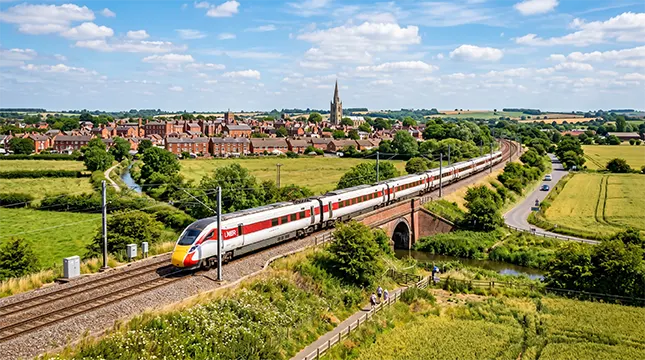
Transportation in Lincoln has benefited from continued infrastructure improvements, making both local commuting and longer-distance travel more straightforward than ever.
The Lincoln Transport Hub brings together train and bus services under one roof, providing convenient connections for both local journeys and regional travel. East Midlands Railway operates frequent services to Nottingham, Sheffield, and London, making Lincoln a practical base for professionals who need to travel for work.
The Lincoln Eastern Bypass continues to ease traffic congestion on the city’s main routes, making car journeys smoother for drivers.
A growing network of cycle lanes and e-bike rental options provides eco-friendly alternatives, and Lincoln’s compact size means many of the city’s key destinations are comfortably accessible on foot.
Whether you travel by rail, road, or bicycle, Lincoln’s transport connections support a genuinely convenient lifestyle without the congestion or cost of larger urban centres.
Local Community, Health, and Wellbeing

Lincoln’s friendly atmosphere and strong community spirit come through in the city’s many social networks, neighbourhood associations, and civic organisations.
The Lincoln Civic Trust regularly organises events that encourage residents to engage with the city’s heritage, while community groups across the city’s neighbourhoods offer a welcoming environment for newcomers settling in.
On the healthcare front, Lincoln County Hospital (ulh.nhs.uk) provides comprehensive services including emergency care, specialist treatments, and maternity services. Multiple GP practices and dental clinics are distributed across the city, ensuring accessible primary care for residents in all areas.
For wellbeing and green space, Hartsholme Country Park offers a peaceful escape from urban life, with walking trails, a lake, and picnic areas set within mature woodland on the city’s western edge. Fitness enthusiasts can access modern gyms, community sports clubs, and leisure facilities, including Yarborough Leisure Centre.
All of these amenities come together to support a healthy and balanced lifestyle, making living in Lincoln not just a historically significant city but a caring and genuinely enjoyable place to call home.
Thinking of Living in Lincoln?
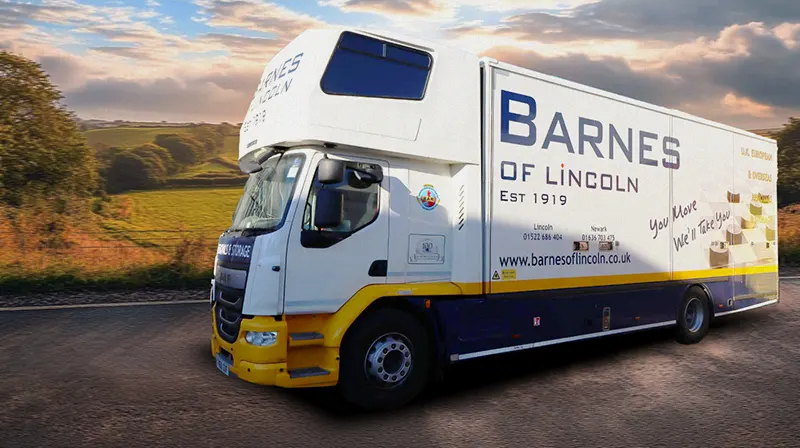
If the prospect of living in Lincoln appeals to you, you deserve a removal experience that is as seamless and welcoming as the city itself.
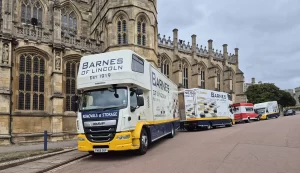
At Barnes of Lincoln, we specialise in making your transition to a new home as straightforward and stress-free as possible. Our professional removals team draws on years of local expertise, ensuring every aspect of your move — from careful packing to secure transport — is handled with precision and care.
Whether you’re relocating to an apartment near the Cathedral Quarter, a family home in Nettleham, or a new-build on the city’s outskirts, our personalised approach to removals is designed to ease the pressures of moving day.
By choosing Barnes of Lincoln, you’ll be supported by a team with an unmatched understanding of Lincoln and the surrounding area. We’ll guide you through each stage of the process, offering practical advice and a friendly, professional service that helps you feel at home before you’ve even unpacked.
Get in touch with our team today and start looking forward to your move to Lincoln.
Frequently Asked Questions About Living in Lincoln
Is Lincoln a good place to live in 2026?
Yes. Living in Lincoln consistently ranks as one of the more affordable and liveable mid-sized cities in England. It offers a strong local economy, excellent schools, good rail connections, a rich cultural scene, and house prices well below the national average. Its blend of historic character and modern investment makes it particularly appealing for families, young professionals, and those relocating from more expensive cities.
What are house prices like in Lincoln in 2026?
The average property price in Lincoln is approximately £221,000 according to Rightmove data from early 2026, compared with a UK average of £271,000. Semi-detached homes average around £220,000, terraced properties around £174,000, and detached homes approximately £302,000. First-time buyer properties averaged around £164,000 in late 2025. For the latest figures, visit the ONS House Price Index (ons.gov.uk).
What is the cost of renting in Lincoln?
Private rents in Lincoln averaged £938 per month in December 2025, according to ONS data, representing a 7.6% increase year on year. This remains significantly lower than rental costs in many comparable UK cities, particularly those in the South East.
What are the best areas to live in Lincoln?
The Cathedral Quarter is popular for characterful period properties and proximity to Lincoln’s historic centre. The Bailgate area attracts buyers looking for Georgian and Victorian homes close to the castle and cathedral. For families, areas such as Nettleham, Skellingthorpe, and Branston on Lincoln’s outskirts offer good schools, newer housing, and quieter residential environments with easy access to the city.
What are the transport links like from Lincoln?
Lincoln is served by East Midlands Railway with direct services to Nottingham, Sheffield, and London. The Lincoln Transport Hub provides integrated bus and rail connections. Road links include the A1 to the east and the Lincoln Eastern Bypass, which has improved journey times across the city. Travel times to Nottingham are typically around one hour by train.
Are there good schools in Lincoln?
Yes. Living in Lincoln ensures access to a range of well-regarded primary and secondary schools, including Westgate Academy and The Priory City of Lincoln Academy. The University of Lincoln is a significant presence in the city, with a strong reputation across engineering, arts, business, and health sciences.
What is it like moving to Lincoln?
Most people who move to Lincoln find it a welcoming and easy city to settle into. Its compact size means you quickly get to know the city, and its strong community spirit makes it straightforward to find social groups, community events, and local networks. Working with a local removals company familiar with Lincoln’s streets, parking restrictions, and neighbourhoods makes the moving day itself considerably smoother.