
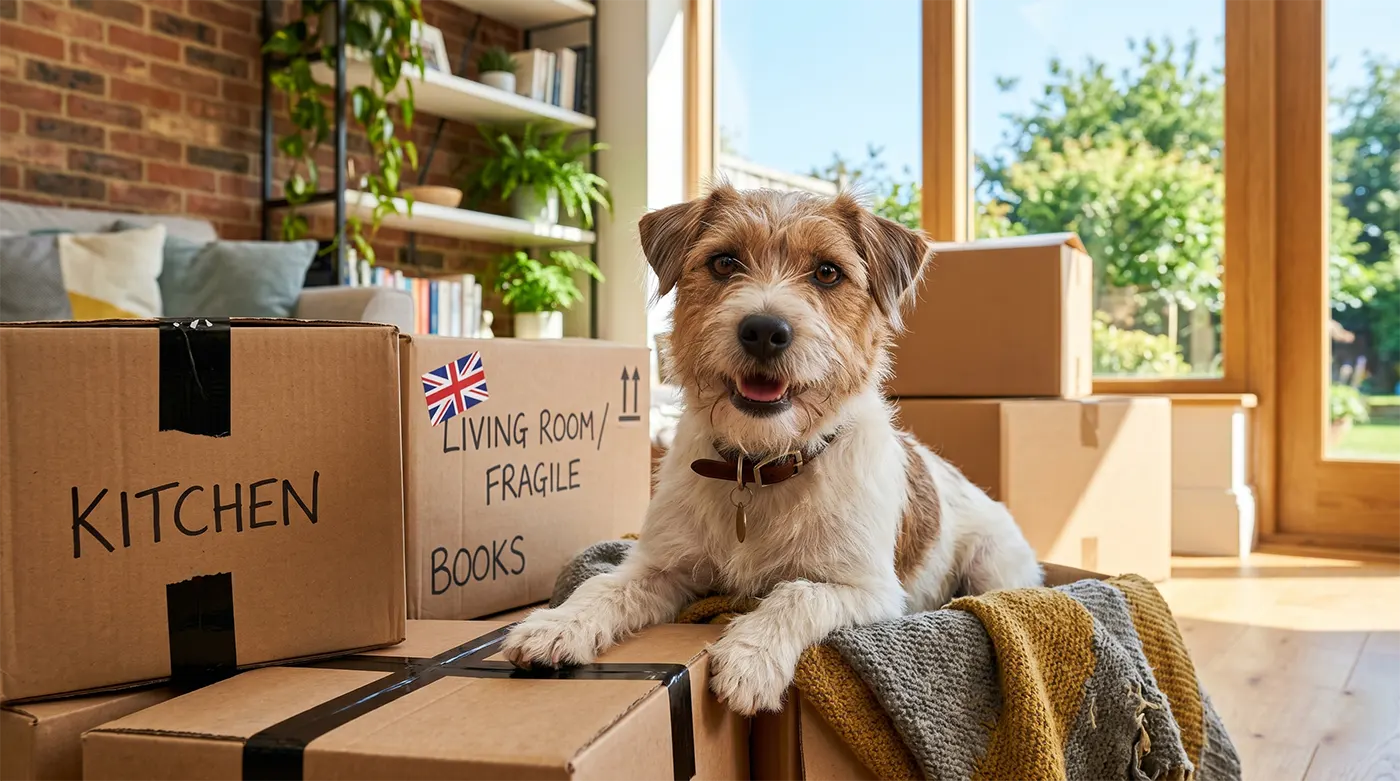
Planning a relocation and moving with pets?
Ask anyone who has moved house with pets, and they’ll tell you the same thing: it’s the four-legged family members who make the day most unpredictable.
It is incredibly disruptive when it comes to moving your pet, no matter what kind.
Your dog won’t understand why strangers are carrying the sofa out of the front door. Your cat will pick the worst possible moment to disappear. Your rabbit will decide the travel carrier is an instrument of torture. And through it all, you’ll be juggling keys, paperwork, and a removal team, trying to keep everyone calm.
Of course, moving house with pets is entirely doable, but it does require some extra thought and planning.
Whether you’re relocating across Lincoln, moving out to the Lincolnshire Wolds, or heading somewhere further afield, this guide from Barnes of Lincoln walks you through everything you need to know about pet relocation in Lincoln and across the county.
Why Pets Find Moving So Stressful — and What Helps
Understanding why your pet is struggling is the first step to helping them through it.
Pets, especially cats and dogs, are deeply territorial creatures. Their sense of security is tied to familiar smells, sounds, and spaces.
Moving house disrupts all of that at once, and they have no way of understanding why.
The signs of stress vary by animal. Cats may hide, stop eating, or become vocal. Dogs may pace, pant, whine, or behave unusually. Smaller animals like rabbits and guinea pigs can show stress through changes in eating habits or become lethargic.
The good news is that with some thoughtful preparation, most pets adapt well to a new home.
The key is minimising disruption, maintaining routine where possible, and giving them time and space to adjust at their own pace.
Before Moving with Pets: Preparation for Every Type of Pet
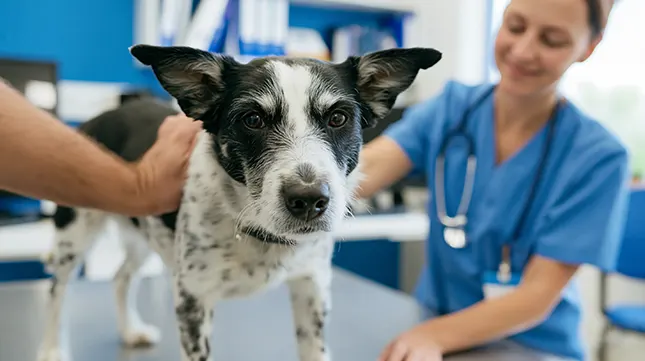
Good preparation makes an enormous difference to how your pets experience moving day.
Here’s what to do in the weeks and days leading up to your move:
1. Visit Your Vet
A pre-move vet visit is a sensible step for any pet owner. Your vet can:
- Check your pet is healthy and fit for travel.
- If your new home is far away, prescribe anti-anxiety medication or calming supplements if your pet has a history of travel stress.
- Update vaccinations, especially if you’re moving to a rural area of Lincolnshire with different wildlife exposure.
- Provide a health certificate if you’re moving internationally or to a location requiring one.
If you’re relocating within Lincolnshire, say, from Lincoln city to the Fens or the Wolds, a local vet check is still worthwhile, particularly for older animals.
2. Update Microchip Details in Advance
Your pet’s microchip should have your current address on it.
It’s easy to forget to update this, but if your pet were to go missing during the move, the database would point rescuers to your old address.
Update your details on the microchip database (Petlog, Identibase, or whichever applies) before moving day, not after.
3. Get Pets Comfortable with Travel Carriers
If your cat or small dog will be travelling in a carrier, introduce it well in advance. Leave it out at home with a familiar blanket inside, let them explore it at their own pace, and consider feeding them near it. By the time moving day arrives, the carrier should feel like a safe space rather than a threat.
4. Maintain Routine as Long as Possible
In the weeks before the move, try to keep feeding times, walks, and bedtimes as consistent as you can. Pets pick up on household stress and disruption, and routine is one of the most effective buffers.
Moving Day: How to Keep Pets Safe and Calm
Moving day is the most chaotic part of the process, and when it finally comes around, keep your pets away from the action and keep them safe.
Moving day is loud, busy, and full of open doors and unfamiliar people. From a pet’s perspective, it can be overwhelming.
Here’s how to best manage it:
1. The Safest Option: Arrange Pet Care Away from the House
If you can, arrange for pets to spend moving day with a trusted friend, family member, or a local boarding kennel or cattery. This keeps them away from the noise and activity, reduces the risk of them escaping through an open door, and lets you focus on the move without worrying about where the cat has gone.
Lincoln and the surrounding Lincolnshire towns have a good range of boarding options, and it’s worth booking early, particularly during busy summer moving periods.
2. If Pets Must Stay at Home
If pets can’t leave the property, designate one room as their safe space for the day. Put familiar bedding, food, water, and their favourite toys in there, and put a clearly visible sign on the door asking the removal team not to enter. Ideally, someone you trust should be with them throughout the day.
3. Transporting Pets in the Car
Pets should travel with you in the car, not in the removal van. The van environment (dark, vibrating, unfamiliar smells) is not suitable, and in warm weather, it can become dangerous quickly. Make sure:
- Cats and small animals are in secure, ventilated carriers.
- Dogs are secured with a seatbelt harness, crate, or boot guard. This is a legal requirement under the Highway Code
- You take regular breaks on longer journeys to allow dogs to stretch their legs and drink water.
- The car is never left in direct sunlight with pets inside, even for a brief time.
Cats: The Special Case
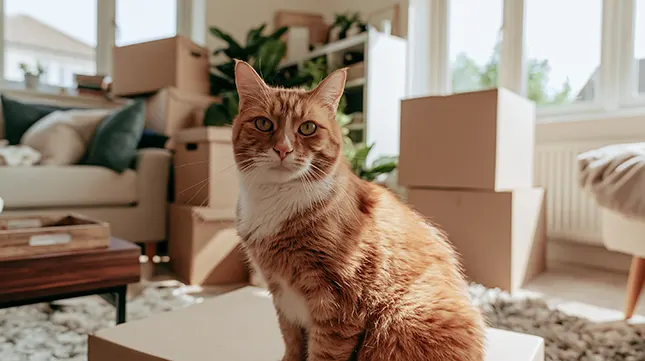
If you’re a cat owner, you already know that cats operate on their own terms.
Pet relocation in Lincoln or anywhere requires particular care when it comes to felines.
Cats are among the animals most likely to become distressed during a house move, and they’re also the most likely to try to return to their old territory once settled in a new home.
As with dogs, there are steps you can take to reduce both risks.
Before the Move
- Use a Feliway diffuser (a synthetic calming pheromone) in your home in the weeks leading up to moving. These can make a real difference to anxious cats.
- Keep your cat indoors for the final few days before the move if possible.
- Pack the cat’s area last; their bed, food bowls, and litter tray should be among the last things loaded, so their space remains familiar for as long as possible.
On Moving Day
- Shut your cat in one room early in the morning before the removals team arrives.
- Put a note on the door and ask the Barnes of Lincoln team to check before opening it.
- Transport your cat in a well-ventilated carrier with a familiar-smelling blanket or article of clothing inside.
In the New Home
- Set up one room for your cat first with their bedding, litter tray, food, and water and let them explore the rest of the house at their own pace over several days.
- Keep your cat indoors for at least two to three weeks in a new home. This is especially important in Lincolnshire’s rural areas, where the outdoor environment may be unfamiliar and disorienting.
- When you do let them out, do so just before a meal so they’re motivated to return.
Dogs: Routine, Reassurance and New Territory
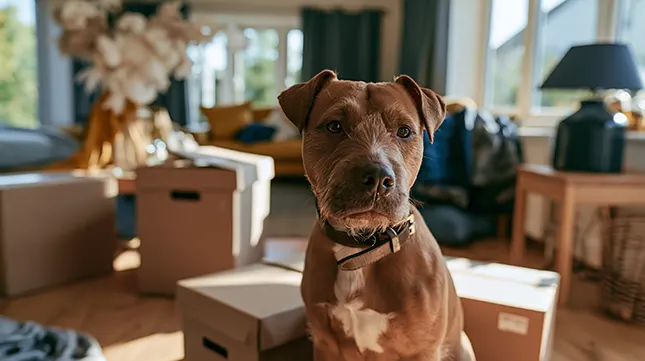
Dogs are generally more adaptable than cats, but that doesn’t mean a move is any easier for them.
The disruption of routine, the presence of strangers, and the sudden change of environment can all trigger anxiety, even in usually confident dogs.
Before the Move
- Take your dog for a good walk before the removal team arrives. A tired dog is a calmer dog.
- If your dog is particularly anxious around strangers, speak to your vet about short-term calming options well in advance of the move.
- Pack a ‘dog bag’ with water, a bowl, treats, their lead, and any medication they need. Keep this in the car for easy access on moving day.
On Moving Day
- Ask a friend or family member to take your dog out for the day if possible. This is the single most effective way to keep them safe and stress-free.
- If they’re staying with you, keep them on a lead when the front door is open. Even the calmest dog can bolt in an unfamiliar, high-stimulus situation.
In the New Home
- Walk your dog around the new neighbourhood as soon as you arrive, before going inside. This helps them start building a scent map of their new territory.
- Set up their sleeping area, food, and water quickly, using familiar items from the old home.
- Stick to normal feeding times and walk schedules. Routine is the fastest route back to a settled dog.
- Be patient. Some dogs take a week or two to fully settle; others bounce back within a day. Both are normal.
Small Animals, Birds, and Reptiles
Small pets such as rabbits, guinea pigs, hamsters, birds, and reptiles are often overlooked in moving guides, but they need careful handling too.
Rabbits and Guinea Pigs
These animals are sensitive to temperature and stress. Transport them in a secure, well-ventilated carrier, keep the environment cool (never in direct sun), and minimise the time spent in transit. Avoid feeding them heavily just before travel. Set up their hutch or run in the new home as quickly as possible, using familiar bedding from the old enclosure.
Birds
Birds are highly sensitive to environmental changes and can become distressed by unfamiliar sounds and surroundings. Keep their cage covered during transport to reduce visual stimulation, maintain a warm temperature, and try to limit the journey time where possible. Set up their cage in a quiet room in the new home and allow them several days to adjust before moving them to their permanent position.
Reptiles
Reptiles are ectotherms; their body temperature depends on their environment, so temperature regulation during a move is critical. Use an insulated carry box, keep them warm, and minimise their time away from their usual heat setup. If your move is taking several hours, plan how you’ll manage their temperature throughout. Your reptile vet can advise on best practice for your specific species.
Settling In: The First Week in Your New Lincolnshire Home

The first week in a new home is often the most unsettled for pets and people alike.
As tempting as it is to crack straight on with decorating, try to hold off for a little while. Your pet’s sense of security is tied closely to smell, and fresh paint, new furniture, and unfamiliar surfaces can unsettle them more than you might expect. Let them explore and claim their space before you start making changes.
Along the same lines, resist the urge to wash all their bedding and toys before the move. That familiar scent from your old home is genuinely comforting to an animal in a strange new environment; their bed should smell like home, even if home has changed address.
You’ll naturally want to give your pet extra fuss and reassurance, and that’s fine, but try not to overdo it. Constant attention can actually reinforce anxiety rather than settle it. Calm, normal interaction is far more helpful than hovering over them all day.
Keep a close eye on how they’re doing over the first few days. Most pets find their feet within a week or two, but if yours stops eating, becomes withdrawn, or seems unwell beyond the initial adjustment period, it’s worth a call to the vet.
Above all, get the new routine established as quickly as you can. Consistent feeding times, regular walks, and familiar bedtime habits all send the same reassuring message to your pet: the surroundings have changed, but life is fundamentally the same.
Updating Microchip and Vet Records After Your Move
Once you’ve moved, there are some important admin tasks to handle for your pets. These are easy to overlook in the post-move chaos, but they matter.
- Update your microchip record. Log in to the relevant database and update your address. This is the single most important step if your pet were ever to go missing in an unfamiliar area.
- Register with a new vet. If you’ve moved away from your previous area, you’ll need a local vet in Lincoln or your new Lincolnshire location. Transfer your pet’s records from their old practice as soon as possible.
- Update pet insurance. Notify your insurer of your new address. Some policies are location-dependent, and an out-of-date address could affect your cover.
- Check your collar and ID tag. Make sure your pet’s tag has your new address and a current phone number on it, in addition to the microchip. It’s the fastest way for someone to reunite a lost pet with its owner.
How Barnes of Lincoln Can Help with Your Move

At Barnes of Lincoln, we’ve been helping families move across Lincoln and Lincolnshire since 1919.
We know that a house move involves more than furniture and boxes; it involves everything that makes a house a home, including the animals that share it with you.
While we don’t transport pets ourselves (they should always travel with you), we can make the rest of moving day as smooth and stress-free as possible, giving you more time and headspace to focus on keeping your animals comfortable.
Get in touch, our professional, friendly team covers home removals in Lincoln and across Lincolnshire. Book a free, no-obligation removal survey at home or if you prefer, via video call, so you get an accurate quote without any pressure.
Plus, we offer flexible, secure storage solutions absolutely ideal if you need to bridge a gap between leaving your old home and getting into the new one.
For your added peace of mind, we’re members of the British Association of Removers (BAR), which means our services are independently audited and held to the highest industry standards. Every domestic move we carry out follows the BAR Code of Practice, giving you full consumer protection from the moment you book.
Whether you’re moving across Lincoln, relocating to Grantham, Retford, Woodhall Spa, Southwell, or anywhere else in the county, our experienced team is ready to help.
Frequently Asked Questions About Moving with Pets
Should I tell my removal company that I have pets?
Yes, always let your removal company know in advance. It helps the team be aware of any rooms that need to remain closed, ensures no one accidentally leaves a door open, and allows us to plan the day accordingly. Barnes of Lincoln are pet-aware movers, just mention it when you book.
Can my pet travel in the removal van?
No. Pets should always travel in the car with you. Removal vans are not suitable environments for animals; they can become hot, dark, and stressful. In warm weather, this can be genuinely dangerous.
My cat has already gone missing after the move. What should I do?
Act quickly. Contact your microchip database immediately to make sure your details are up to date. Post in local Facebook groups and on apps like Nextdoor. Contact local vets, rescue centres, and the Lincoln PDSA or RSPCA. Put out worn clothing with your scent near the property to help guide them home. Most missing cats are found within a few days of the new address.
How much notice do I need to give Barnes of Lincoln to book my move?
We recommend booking as early as possible, ideally four to six weeks in advance, or up to eight weeks during busy periods. That said, we do our best to accommodate shorter notice bookings where we can. Call our Lincoln or Newark office, and we’ll let you know availability straight away.
How can I reduce the cost of moving house?
There are a few simple ways to keep costs down. Decluttering before your move reduces the volume of items, which can lower removal costs. Packing some items yourself, choosing a mid-week moving date, and getting multiple quotes can also help you stay within budget.
Should I pack everything myself or use a packing service?
This depends on your time and budget. Packing yourself can save money, but it can be time-consuming and stressful. A professional packing service ensures your belongings are packed safely and efficiently, particularly for fragile or valuable items.