
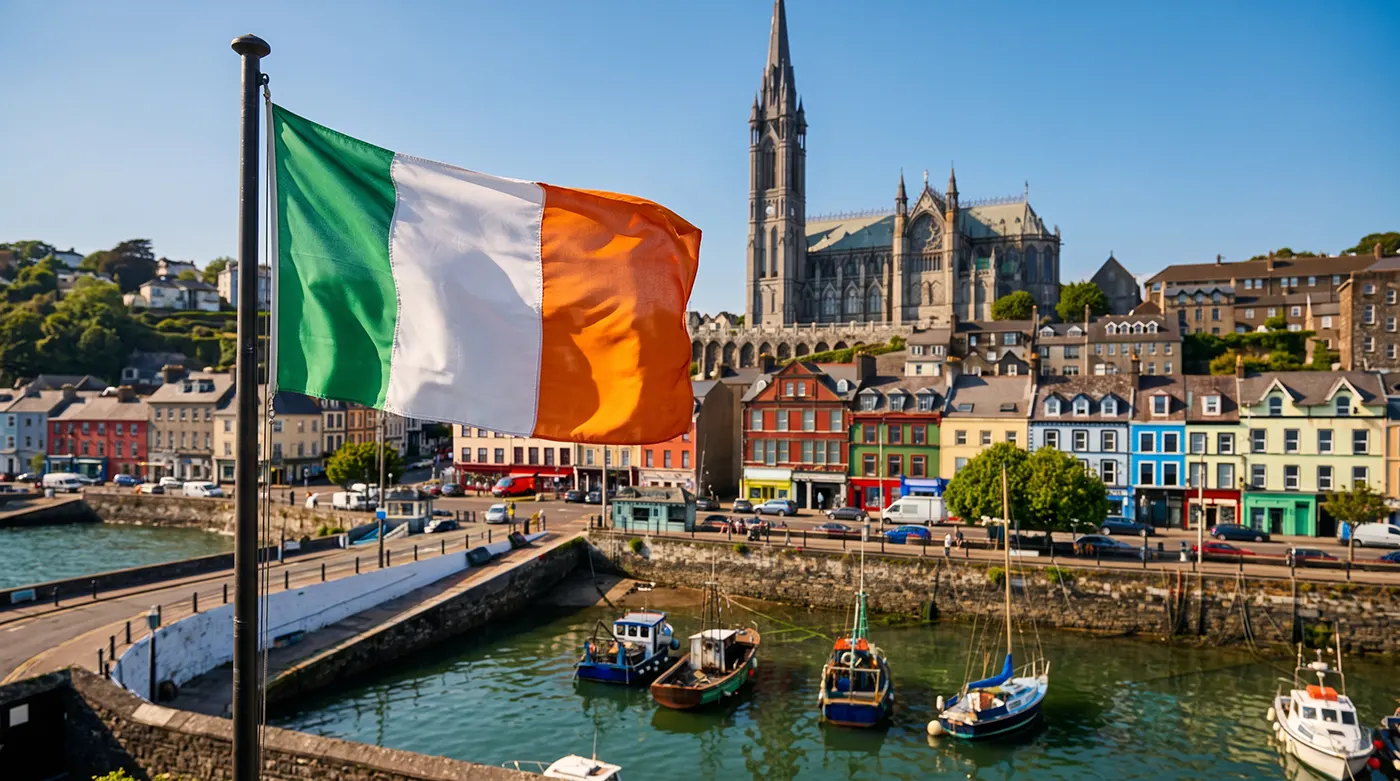
Considering a fresh start but would rather not move abroad to achieve it?
Across the Irish Sea instead of Spain, Portugal, or France? You are far from the only one.
Ireland has become one of the most-searched destinations for people leaving Lincolnshire, and once you look past the headlines, its appeal is easy to see.
A shared language, close cultural ties, and a genuinely unusual legal relationship between Britain and Ireland mean that a move that would ordinarily involve visa applications and months of waiting can, for most British citizens, be arranged in weeks rather than months.
This guide walks through what you actually need to organise before leaving Lincolnshire, what a move is likely to cost in 2027, and what to expect once you have settled in on the other side.
A Short Overview of This Blog

A move to Ireland breaks down into what happens before you leave Lincolnshire and what happens once you land. Here is a quick summary before the detail below.
- The Common Travel Area means most British citizens don’t need a visa, work permit, or residence permit to live and work in Ireland.
- You still have a short list of admin to complete before leaving Lincolnshire and in your first weeks in Ireland, from booking removals to applying for a PPS number.
- Cost of living in 2027, covering rent, everyday spending and how Dublin compares with towns and counties further out.
- Renting and buying a home, and why the market outside Dublin looks very different to the capital.
- Healthcare and tax, since neither works quite the same way as the NHS or PAYE that Lincolnshire residents are used to.
- Choosing a location, from Dublin’s job market to the quieter appeal of Cork, Galway, Limerick and beyond.
- Getting yourself and your belongings there, including flight options from Lincolnshire and how a Common Travel Area move compares logistically to a standard overseas relocation.
Once broken into stages, none of this is complicated, and a steady stream of Lincolnshire residents make this move every year. Read on for the full picture.
The Common Travel Area: Why This Move Is Different
Britain and Ireland have operated the Common Travel Area, usually shortened to the CTA, since the 1920s, and both governments formally reaffirmed it in a 2019 Memorandum of Understanding to ensure Brexit did not disrupt it.
Under the CTA, British citizens can live, work, study, vote in certain elections and access healthcare and social welfare in Ireland without applying for a visa, residence permit or employment permit, and Irish citizens have the same rights in the UK. Full detail is available from the UK government’s official CTA guidance and from Citizens Information in Ireland.
These rights apply specifically to British and Irish citizens. If you are moving as a family and a partner or dependant holds a different nationality, they may still need to apply for residence permission separately, so it is worth checking their position well ahead of your moving date.
Before You Leave Lincolnshire: A Practical Timeline
With no visa process to anchor your planning, it helps to work backwards from your moving date instead. This is roughly how most Lincolnshire movers pace it.
- Two to three months out, start your property search on Irish portals, book a removals survey, and begin gathering the documents (passport, proof of address, National Insurance details) that will speed up a later PPS application.
- Six to eight weeks out, confirm your removals date, arrange packing materials, and start deregistering from services you will not need in Lincolnshire, from your GP surgery to your electoral roll entry.
- Two to three weeks out, book your travel, notify your bank, HMRC, and the DVLA of your move, and arrange interim storage if your new home isn’t quite ready.
- During moving week, your Lincolnshire removals team packs, transports, and delivers your belongings while you handle your own travel separately, since removals vans and passenger flights rarely run on the same schedule.
Our removals checklist is a useful companion for the Lincolnshire end of this timeline, no matter where you’re heading.
Your First Month in Ireland: The Paperwork That Replaces a Visa

A visa isn’t the sticking point, but you still have a short list of admin to work through once you land. The most important is a Personal Public Service (PPS) number, which you need for almost everything from opening a bank account to registering with a GP or starting a new job.
Unlike a National Insurance number, you cannot apply for a PPS number until you’re resident in Ireland, so it is one of the first things to tackle on arrival rather than something to arrange from Lincolnshire in advance. Full details of the documents required, and where to apply, are set out on the gov.ie PPS number service page.
You will also want to look into exchanging or continuing to use your UK driving licence, registering with a local GP practice, and opening an Irish bank account, since some employers and landlords will expect one fairly quickly.
What Will It Actually Cost? Ireland’s Cost of Living in 2027

Ireland is not a cheap alternative to the UK, and Dublin in particular has a well-earned reputation for high rents. Heading into 2027, a one-bedroom apartment in Dublin typically costs between 1,700 and 1,900 euros a month, with two-bedroom properties often closer to 2,300 euros.
As in any large city, move outside the capital and prices ease considerably, with the national average rent well below the Dublin figure, and a Lincolnshire budget stretches noticeably further in places like Sligo, Mayo, or the Midlands.
Everyday costs such as groceries, transport and eating out tend to run slightly higher than comparable Lincolnshire prices, though salaries in sectors such as technology, pharmaceuticals and financial services are often higher too. Budget generously for your first few months, since deposits, agency fees, and utility connection charges often land at once.
Renting or Buying a Home in Ireland

The rental market, especially in Dublin, is tight, with low vacancy rates and strong competition for well-presented properties.
Having references, proof of income, and a deposit ready makes a genuine difference. Rent Pressure Zone rules limit how much rents can rise on existing tenancies in designated areas, though new tenancies aren’t always bound by the same caps, so check the specific rules for any property you view.
Buying is a longer game. Dublin apartment prices commonly sit between three hundred and fifty thousand and six hundred thousand euros depending on location and condition, while counties further from the capital, such as Donegal, Leitrim or parts of the midlands, can cost a fraction of that. If your work allows flexibility such as working from home, it is worth widening your search beyond Dublin before settling on a budget.
Property portals such as Daft.ie are the standard starting point for both renting and buying and give a realistic sense of prices in the area you are considering.
Healthcare and Tax: How Ireland Differs From the NHS and PAYE

Ireland’s public healthcare system, run by the Health Service Executive (HSE), differs from the NHS in one key way: most adults do not pay nothing at the point of use. GP visits typically carry a charge unless you hold a medical card or a GP visit card, and many residents take out private health insurance to get faster access to consultants and hospital care. It is worth researching cover options before you move rather than after your first appointment.
On tax, employees pay income tax and PRSI, the Irish equivalent of National Insurance, through a system broadly similar to PAYE. The Revenue Commissioners website and the HSE website are both useful starting points once you are settled and registering for work or healthcare.
Choosing Where to Live
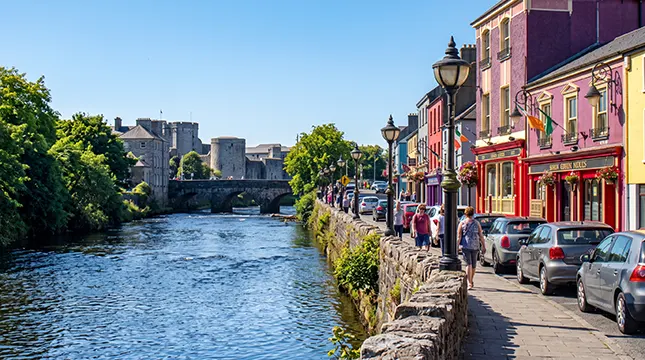
Dublin has the deepest job market, particularly in technology, pharmaceuticals and finance, but also the highest cost of living by some distance. Cork, Galway and Limerick offer a noticeably gentler pace and lower rents while still having strong local economies, good schools and their own international airports. Further afield, counties such as Donegal, Mayo and Leitrim offer genuinely affordable property and a slower lifestyle, which increasingly appeals to people who can work remotely for a UK employer while living in Ireland.
Whichever area you are drawn to, spend some time there before committing, ideally across more than one season, since a town’s character can shift quite a bit between a bright summer weekend and a wet January.
Getting There and Getting Your Belongings There
Lincolnshire offers plenty of options for the journey itself. Ryanair operates direct daily flights from East Midlands Airport to Dublin, with a flight time of around an hour, making it one of the more convenient short-haul routes for anyone based around Lincoln, Newark or Grantham, with Doncaster Sheffield Airport offering an alternative departure point further north.
Because of the Common Travel Area, moving your household to Ireland is logistically closer to a UK long-distance move than a true international relocation.
You don’t need to complete a customs declaration or budget for import duty on your own used possessions, which removes a significant layer of complexity compared with a move to mainland Europe, Australia or the United States.
That said, your belongings still cross the Irish Sea, so professional packing, a detailed inventory, and appropriate insurance cover matter just as much as they would for any long-distance move. Our overseas removals team handles moves like this regularly, and our packing materials service removes the physical strain of preparing a full household for transit.
If your new home is not quite ready on the day you leave Lincolnshire, our storage and self storage options give you somewhere secure to leave everything in the meantime, and document storage is a straightforward way to keep paperwork such as deeds, certificates and tenancy agreements safe until it is needed on the other side.
What to Expect Through 2027
Demand for Irish rental and sale property looks set to remain high through 2027, driven by a strong jobs market and continued supply shortages in the main cities. Rental legislation has been evolving, so check the latest Rent Pressure Zone rules close to your move rather than relying on older guidance. The Common Travel Area itself has weathered Brexit and every political shift since without change, and there is no indication that the rights it provides to British citizens are at risk.
The practical takeaway is to plan early. Book your removals survey, start your property search and gather the documents you will need for a PPS number well before your intended moving date, particularly if you are hoping to move during the busier spring and summer months.
How Barnes of Lincoln Can Help
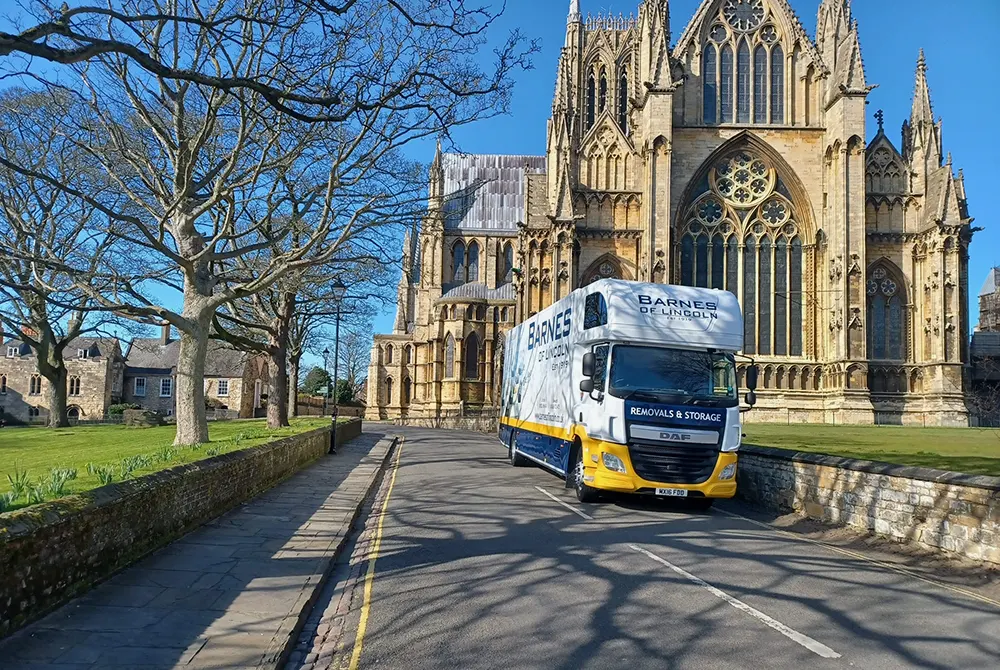
Barnes of Lincoln has taken the stress out of moving home since 1919, and today that means five generations of experience across local Lincolnshire moves, UK relocations, and international removals, including regular moves to Ireland.
A free, no-obligation removals survey covers your entire move, whether that is a straightforward household relocation to Dublin or a more involved move with storage and part-load options along the way. With our own fleet of specialist vehicles and flexible transport by road, sea container, or airfreight, we ensure your belongings arrive safely and on schedule.
Contact us today to talk through your move to Ireland, get a free quote, or speak to your nearest branch in Lincoln or Newark. Get in touch here to book your free survey.
Frequently Asked Questions
Do I need a visa to move to Ireland from Lincolnshire?
No. British citizens can live, work and study in Ireland without a visa, residence permit or employment permit, thanks to the Common Travel Area. Non-British family members moving with you may still need to arrange their own residence permission, so it is worth checking their situation separately.
Can Barnes of Lincoln handle a move to Ireland in the same way as a UK move?
Very much so. Because the Common Travel Area removes customs declarations and import duty on your own possessions, a move to Ireland is logistically much closer to a UK long-distance move than a typical overseas relocation, and our overseas removals team can quote for the whole job during a free survey.
When can I apply for a PPS number, and can I do it before I leave Lincolnshire?
You cannot apply for a PPS number until you are resident in Ireland, so this job has to wait until after you arrive rather than something to tick off in Lincolnshire beforehand. Gathering supporting documents in advance, such as your passport and proof of address, speeds up the process considerably.
Is Dublin the best place to move to from Lincolnshire, or should I look elsewhere?
Dublin has the strongest job market but also the highest cost of living. Many people moving from Lincolnshire find Cork, Galway or Limerick offer a more familiar pace of life at a lower cost, while counties such as Donegal, Mayo or Leitrim suit those working remotely for a UK employer.
How do I get from Lincolnshire to Ireland, and what about my car?
East Midlands Airport has direct daily flights to Dublin taking around an hour, with Doncaster Sheffield Airport as an alternative for those further north in the county. If you are bringing a vehicle, you’ll need to arrange this separately from your household move, so raise it with your removals company as early as possible.
Is storage worth considering for a move to Ireland?
It can be genuinely useful if there is a gap between leaving your Lincolnshire property and your new Irish home being ready. Short- or long-term storage takes the pressure off trying to line up two completions, or two moving dates, exactly.