

Thinking of moving to Germany from Lincolnshire? We’re here to make your move as straightforward as possible.
Germany has a funny way of creeping up on people. It rarely tops the initial wish list the way Spain or France does, yet ask any Lincolnshire expat who has actually made the jump, and you will hear the same thing: they wish they had looked into it sooner.
Strong wages, excellent healthcare, a train network that puts the rest of Europe to shame and cities with genuine character have quietly turned Germany into the third most popular European destination for British nationals relocating abroad.
Whether you are chasing a new job in Frankfurt, following a partner to Munich, or simply fancy a slower pace of life somewhere like the Mosel valley, moving to Germany from UK shores is entirely achievable with the right preparation.
This guide walks Lincolnshire movers through the practical side of the journey, from visas and paperwork to the actual business of getting your belongings there safely, so you can focus on the exciting part.
A Short Overview of This Blog
If you only have a few minutes, here is the shape of everything covered below. Read on for the full detail whenever you are ready.
- Why Germany: a look at why so many UK nationals, including plenty from Lincolnshire, are choosing Germany over more traditional destinations.
- Visas and residency: what UK citizens need post-Brexit, including the 90-day rule and the routes into longer stays.
- Planning your move: a realistic timeline, and the documents worth gathering early.
- Choosing a removals partner: what to look for when shipping a household across the North Sea and beyond.
- Cost of living and money matters: a grounded look at budgeting, banking, and healthcare.
- Where Lincolnshire movers are settling: a tour of the German cities and regions proving popular with British expats.
- Getting there from Lincolnshire: the practical routes, by air, ferry, and Eurotunnel, for your own onward travel.
- FAQs: quick answers to the questions we hear most often from movers.
Taken together, these sections should leave you with a clear sense of what moving to Germany actually involves and how a Lincolnshire-based removals team fits into that picture.
Treat it as a starting point rather than the final word since every move is individual and has its own quirks.

Why Lincolnshire Expats Are Choosing Germany
Germany’s appeal is refreshingly practical. It is Europe’s largest economy, home to a manufacturing and engineering sector that is always short of skilled hands, and a public transport system that genuinely makes life without a car possible in most cities.
Around 107,000 British nationals already live there, and a good proportion moved for work rather than retirement or lifestyle alone.
For anyone comparing options, Germany sits alongside Spain and France as one of the three destinations UK movers ask about most, but it offers something quite different from either.
Where Spain and France often appeal for climate and retirement, Germany tends to draw people chasing career progression, higher salaries relative to cost of living, and a genuinely central location for exploring the rest of the continent by rail.
Cities such as Berlin, Munich, Hamburg, and Frankfurt regularly appear in quality-of-life rankings, and Germany’s universities remain tuition-free even for international students, which makes it an increasingly popular choice for families too.
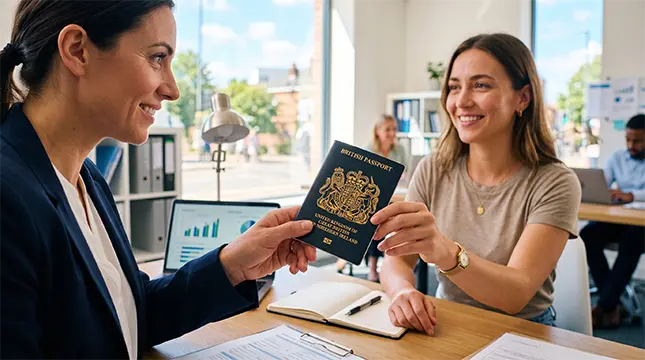
Visas and Residency for UK Citizens
Since Brexit, British nationals are treated as third-country citizens when moving to Germany, though the rules remain fairly generous.
You can enter visa-free for up to 90 days in any 180-day period for tourism or short visits, but anyone planning to live, work or study long-term needs a residence permit sorted before or shortly after arrival.
The exact permit depends on your circumstances. Skilled workers with a job offer typically apply for a work visa or the EU Blue Card, while those without a confirmed role sometimes use the Opportunity Card, known locally as the Chancenkarte, to search for work once in the country.
Once you arrive, registering your address, the Anmeldung, at your local Bürgeramt within two weeks is a legal requirement and unlocks everything else, from opening a bank account to signing a lease.
For the most current requirements, it is always worth checking GOV.UK’s official guidance on living in Germany and the entry requirements page on the FCDO travel advice site, alongside the German government’s own Make it in Germany portal, which sets out visa types in plain English.

Planning Your Move, Timeline and Paperwork
Most successful German moves start at least six months out, longer if visas or school places are involved.
A rough shape looks like this: secure your visa route and job or study place first, then book your removals survey, then tackle housing and Anmeldung once a moving date is confirmed.
Documents worth gathering early include your passport with plenty of validity remaining, birth and marriage certificates, proof of address, employment contracts, proof of health insurance and, if you are bringing pets, an Animal Health Certificate and up-to-date rabies vaccination.
Our own removals checklist is a handy starting point for keeping the household side of things organised alongside the immigration paperwork.

Choosing a Removals Partner for Germany
International removals are completely different to a house move down the road, and it pays to choose a company that treats them that way.
At Barnes of Lincoln, our overseas removals service and dedicated European removals arm handle the whole journey to Germany, from a free home survey through to professional packing, customs paperwork, and delivery, with flexible transport by road, sea container or airfreight depending on volume and timescale.
If your move date and your German lease do not quite line up, our secure storage facilities can bridge the gap, and our packing materials and professional packing team mean fragile or awkward items, including pianos and antiques, travel in the same condition they left Lincolnshire.
It is also worth checking that any mover you use is accredited by the British Association of Removers, which is the industry benchmark for standards and financial protection on international jobs.
For families or businesses relocating for work, our broader international removals experience beyond Europe means we are used to the customs and logistics puzzles that come with moving a household across a border, not just packing boxes into a van.

Cost of Living and Money Matters
Day-to-day costs in Germany vary enormously by city, just like any other country.
Munich and Frankfurt sit at the expensive end, particularly for rent, while cities such as Leipzig or Dortmund offer a noticeably gentler cost of living without sacrificing much in the way of amenities or transport links.
Groceries, eating out and utility bills generally compare favourably with the UK, though energy costs have crept up in recent years across most of Europe. Numbeo, the cost-of-living website, is a great source of useful information when it comes to daily living costs.
Opening a German bank account early makes daily life considerably smoother, since many landlords, employers and utility providers expect a local IBAN rather than a UK one.
State pensions can still be paid into a German account without complication, though anyone with a private pension pot should take independent financial advice on whether to freeze contributions, transfer, or continue paying in from abroad.
Healthcare is another area where Germany quietly excels. The statutory health insurance system, Gesetzliche Krankenversicherung, is comprehensive and, for most employees, contributions are shared between employer and employee.
Self-employed movers and some visa categories will need private cover instead, so it is worth confirming which route applies to you before you travel.

Where Lincolnshire Movers Are Settling in Germany
Berlin remains the obvious pull for creatives, entrepreneurs and anyone drawn to a city that never quite sits still, with rents that, despite recent rises, are still gentler than London’s.
Munich trades that energy for corporate polish and Alpine scenery on the doorstep, making it a favourite with engineering and finance movers, albeit at a higher price.
Hamburg offers a maritime, slightly more understated charm that Lincolnshire movers with any connection to the sea or logistics industries often find familiar.
Frankfurt’s compact size and international banking scene suit those wanting an easy commute and excellent flight connections home.
Düsseldorf and Cologne round out a strong Rhineland option, with a sizeable British community, good schools and easy rail access into Belgium and the Netherlands for weekend trips.
Wherever you choose to reside, you are sure to find the right location to suit you and your family.
Plus, although Germans can come across as aloof and abrupt, it is just one of the cultural differences you will come across; once you get to know them, they are actually a straightforward, honest bunch of people.
Take a look at the article entitled Cultural Differences Every Expat Should Know, it makes for interesting reading.
Getting There from Lincolnshire
One underrated benefit of moving from this part of the country is how well-connected Lincolnshire already is to the near continent.
East Midlands Airport and Doncaster Sheffield offer regular flights into major German hubs, while the DFDS ferry route from Hull across to Rotterdam puts you within a comfortable few hours’ drive of the German border, a sensible option if you are bringing a car or simply prefer to avoid flying with pets or bulky luggage.
For the household removal itself, road transport remains by far the most common method for a full house move to Germany, and our team plans routes that account for ferry crossings, customs checks and delivery windows, so nothing sits in transit longer than it needs to.
Ready to Start Planning?
Moving to Germany from Lincolnshire is a well-trodden path these days, and with a bit of planning around visas, paperwork and the practicalities of the move itself, there is no reason it should feel overwhelming.
Whatever draws you there, career, family or simply a change of scenery, getting your removals to Germany sorted with a trusted local team leaves you free to concentrate on the move that matters most, settling into your new life.
Barnes of Lincoln has supported both home and business moves across Europe for generations, and our team is happy to talk through timings, costs, and logistics for your own move to Germany.
Get in touch for a free, no obligation quote whenever you are ready to take the next step.
Frequently Asked Questions
Do I need a visa to move to Germany from the UK?
Short visits of up to 90 days in any 180-day period do not require a visa, but anyone planning to live, work or study in Germany long term will need to apply for the appropriate residence permit before or shortly after arrival.
How much does it cost to move house to Germany?
Costs depend on the volume of belongings, the transport method chosen and the distance involved, so the most accurate figure comes from a free home survey rather than a generic estimate. Road transport tends to be the most cost-effective option for a full household move.
How long does a removal to Germany usually take?
A road move typically takes a few days door to door once collected, depending on the German destination and ferry or Eurotunnel scheduling. Booking your survey and moving date at least four to six weeks in advance, longer in summer, gives everyone the best chance of a smooth timetable.
Can I bring my pet to Germany?
Yes, dogs, cats and ferrets can travel from the UK provided they are microchipped, vaccinated against rabies and issued with an Animal Health Certificate by a vet within the required window before travel. Some German cities also require dog registration and an annual dog tax on arrival, so it is worth checking local rules once you know your destination.
Will my belongings be insured during the move?
Reputable international movers, including those accredited by the British Association of Removers, provide standard liability cover for goods in transit, with the option to arrange additional insurance for higher value items. Always confirm exactly what is covered before your moving date.
Do I need to speak German to settle in easily?
Not immediately, particularly in larger cities where English is widely spoken in professional settings, but learning even conversational German makes registering your address, dealing with authorities, and building a social life considerably easier, and many employers offer language courses as part of a relocation package.