

Have you just picked up the keys to your new property and are looking for the best ways to settle into your new home?
Relocating brings a whirlwind of emotions, ranging from exhaustion to pure elation.
It is also entirely normal to experience a period of anticlimax after the removal vans have left. After weeks (or months) of organising, packing, and waiting for completion day, the last thing you want is to feel overwhelmed by boxes once you step inside.
Let’s be realistic: settling in isn’t always instant. However, with a bit of planning and the right approach, you can turn your new house into a home much faster than you think.
At Barnes of Lincoln, we have helped thousands of families move since 1919. Whether this is your first move or your fifth, here are 16 actionable tips to help you settle in quickly and confidently.
1. Pay bills before you move

Before handing over the keys to your old property, ensure all outstanding bills are settled in full. This includes gas, electricity, water, broadband, and council tax.
Taking final meter readings and keeping a record of closing statements helps avoid disputes later. Clearing everything in advance means you won’t be chasing payments or dealing with unexpected bills while trying to enjoy your new Lincolnshire home.
2. Do a deep clean before unpacking

Most sellers try to clean the house before leaving. However, even if the previous occupants left it tidy, a thorough deep clean creates a fresh canvas for your family.
Focus on areas such as kitchens, bathrooms, floors, and surfaces—especially places you can’t reach easily once furniture is in place. If you are short on time, hiring a professional cleaning company to handle this for you is often money well spent.
3. Unpack essentials first

It is easy to feel overwhelmed and start randomly opening boxes, but it is best to be systematic. Prioritise the boxes you will need in the first 48 hours: toiletries, bedding, kitchen basics, and pet supplies.
We recommend labelling these boxes clearly as “Open First” so they don’t get buried under everything else. This simple step makes your first night much smoother, allowing you to concentrate on non-urgent items in the coming days.
4. Set up your utilities and services
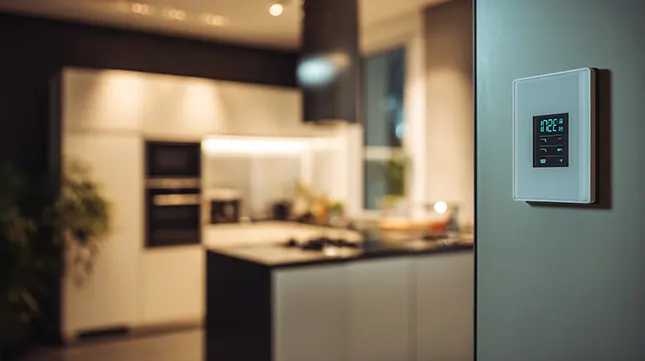
Ensure gas, electricity, water, broadband, and waste collection are connected as soon as possible. Contact providers ahead of moving day to confirm start dates. Unfortunately, some services, like broadband installation, can take several weeks to schedule.
If you arrive before the internet is connected, your phone’s mobile hotspot can be a lifesaver for checking emails and keeping essentials ticking over.
5. Take meter readings immediately

Administrative tasks can get messy quickly when dealing with utility providers. The very first thing to do when you walk in is photograph or record your gas, water, and electricity meters.
This step avoids disputes later regarding who used what. It is also a good idea to familiarise yourself with the thermostat and water heater settings immediately.
6. Change the locks and check safety devices

Security comes first. Changing the locks on your new property gives you peace of mind and total control over who has access.
While you are at it, test smoke alarms, carbon monoxide detectors, and any home security systems. If you haven’t already, remember to register your TV Licence at your new address—it is a legal requirement if you watch live TV.
7. Locate key features
It takes time to understand the nuances of a new building, but some features are non-negotiable.
You must locate your fuse box, water shut-off valve (stopcock), and drain points immediately. In the unlikely event of a leak or electrical issue, you do not want to be scrambling to find these.
8. Find your bearings locally

Unless you are already familiar with the neighbourhood, take time to explore the immediate area. Find your nearest grocery store, doctor’s surgery, pharmacy, vets, and public transport hubs.
If you have children, locating the nearest play park and the route to school is vital. Knowing your “home turf” shortcuts the awkward first-week scramble.
9. Introduce yourself to neighbours
While we Brits can sometimes be reserved, most neighbours are happy to chat if you initiate the conversation. Even a quick hello can make a neighbourhood feel warmer and safer.
Neighbours are also a goldmine of local information, from bin collection days to the best local takeaway spots.
10. Register your new address
You might be shocked at how many organisations you need to inform of your new address. Do not put this off—the sooner it is done, the better.
Update your details with:
- Government departments and local authorities
- The DVLA (for driving licence and vehicle registration)
- Royal Mail (to redirect post from your old address)
- Banks, insurers, and pension providers
11. Implement a routine as soon as possible
Establishing a routine helps your brain and body adjust to new surroundings, especially for younger children.
Simple habits—like having your morning coffee in the same spot, walking the dog on a specific route, or unpacking one room at a time in the evenings—can quickly make the new house feel like home. Routines reduce “decision fatigue,” which is common in the first few weeks after a move.
12. Tidy up the garden

Outdoor areas are often overlooked during the chaos of unpacking, but tackling them early makes a surprising difference.
Clearing bins, sweeping pathways, or simply removing leftover debris helps your new home feel cared for. A usable garden gives you valuable space to relax, entertain, or let children and pets play while you sort out the interior.
13. Have a housewarming party

Hosting a housewarming is a great way to draw a line under the stress of moving day and start enjoying your property.
It doesn’t need to be formal; even a relaxed coffee morning or casual drinks can help the space feel lived-in. It is a simple but effective way to create positive memories early on.
14. Join local clubs and groups
Joining local clubs is one of the quickest ways to feel part of a community. Whether you are into sports, creative hobbies, or volunteering, there is usually something nearby to suit your interests.
From fitness classes in Lincoln to village social clubs in the surrounding countryside, getting involved helps make your new area feel familiar and welcoming.
15. Personalise your new home

Adding personal touches is the quickest way to stamp your identity on a property. Decorating with familiar items such as photos, artwork, cushions, or favourite furniture creates a sense of comfort.
You don’t need to renovate everything at once; even small changes can make a big difference to how the environment feels emotionally.
16. Take breaks and celebrate small wins
Moving is physically and emotionally demanding. Don’t be too hard on yourself—moving home is cited as one of life’s most stressful events!
Celebrate putting up the first shelf, hanging curtains, or cooking your first meal. These aren’t small achievements; they are the building blocks of feeling settled. Be sure to have a nice, chilled bottle of wine (or a cup of tea) waiting to christen your first night!
Settle into Your New Home with Barnes of Lincoln

There is no magic wand for feeling instantly at home, but a structured approach makes a massive difference.
At Barnes of Lincoln, we have been moving families and businesses for over 100 years. Our experienced team is on hand to support you on moving day and beyond. From professional packing and careful transportation to secure storage solutions at our Lincoln facilities, we handle the heavy lifting so you can focus on getting comfortable in your new space.
Get in touch today to find out how we can help make your next move your best move.