

Packing up and looking for local removals in Newark?
A good removal company knows that moving home in Newark isn’t just about boxes and vans.
It’s about knowing the streets, understanding local access rules, and getting your timing right.
Whether you’re heading into a period townhouse near the market square or relocating from a newer estate on the outskirts, or organising a commercial move, a well-planned removals survey is the starting point for a smooth day.
If you are comparing quotes, looking for reassurance, or simply want to avoid last-minute surprises, this guide breaks it down.
From parking permits to peak traffic times, here’s what really matters when planning removals in Newark in 2026 and how to make the process straightforward from start to finish.
Here’s a quick snapshot of what is contained in our article:

Removals Survey – Your Starting Point
A detailed removals survey assesses access, volume, and parking, particularly important near Newark Castle and the Market Place, where space is limited.
Parking Permits & Local Restrictions
Some streets require temporary parking approval. Checking early with Newark and Sherwood District Council helps avoid last-minute disruption.
Traffic & Timing Around Newark
Busy routes near the A1, A46 and Newark North Gate railway station can affect arrival times, so scheduling matters carefully.
Packing for Newark Properties
Period homes and modern estates need different handling. Professional packing and secure storage protect both property and possessions.
Completion Day Planning
Chains can cause delays. A well-planned removals survey builds flexibility into the schedule.
Commercial & Office Moves
Business relocations require careful coordination, with surveys assessing access, IT, and workflow to minimise downtime.
Careful preparation and a thorough removals survey are the foundations of a smooth Newark move.
1. Why a Removals Survey Matters in Newark

Newark’s historic centre, particularly around the Market Place and near Newark Castle, can be tricky for larger vehicles. Narrow lanes and limited loading spots require forward planning.
That is why, before any van turns up, a professional removals survey sets the tone for the whole move.
It allows your chosen team to assess volume, access, staircases, parking, and any specialist packing needs.
In older Newark properties, tight hallways and uneven steps are common, something a survey flags early and a local removal team would expect.
A local surveyor can also advise on realistic timeframes and vehicle size.
Newark’s mix of period homes and modern developments means no two moves are identical.
You can learn more about local authority considerations via Newark and Sherwood District Council’s moving guidance.
For a transparent, accurate quote, start with a survey request via Barnes of Lincoln’s removals page.
2. Parking Permits & Suspensions: What You Need to Know
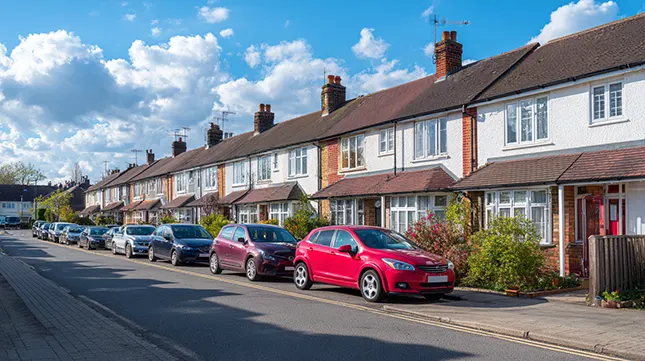
In certain parts of Newark, especially close to the town centre, you may need temporary parking permission for a removal vehicle.
Restrictions vary by street, so here again, it’s always worth checking directly with the council so that you are absolutely clear about what is required.
If you live in a permit-controlled zone, applying early prevents unnecessary stress. Removal companies can advise on vehicle length and required space, but the application itself typically rests with the resident.
Overlooking this crucial step is one of the most common causes of moving-day hold-ups.
A short conversation during your removals survey ensures permits, suspensions or alternative loading plans are sorted well in advance.
3. Timing Your Move Around Newark Traffic

Newark sits at the crossroads of major routes, including the A1 and A46, making it well connected, one of its draws for potential buyers; however, the roads do get busy during peak hours.
If your completion time is flexible, avoiding school-run windows and late afternoon congestion makes a noticeable difference.
Rail crossings near Newark North Gate railway station can occasionally cause short delays, so factoring this into the arrival time is sensible.
Its good idea to keep an eye on live travel updates in the town which are easily available via the National Highways website.
Discuss timing during your removals survey so your moving team can schedule realistically.
Good planning here can shave hours off the day.
4. Packing for Period Homes vs Modern Estates

Newark has been a market town for centuries and offers everything from Georgian terraces to contemporary family homes.
Many of its older period properties may require extra care with narrow staircases and door frames and often delicate flooring.
Using a professional packing service will help reduce risk and save time.
If you’re moving valuable or fragile items, specialist materials and trained staff make all the difference.
Modern estates generally provide good access, in fact, construction companies must adhere to the accessibility standards set out in the Governments Building Regulations Part M document making access so much easier for removal companies.
For those downsizing or between properties and need a temporary solution, safe, secure storage facilities are also available at Barnes of Lincoln’s own warehouse.
Tailoring the service to the property type ensures your belongings and the building stay protected.
5. Completion Day Realities: Expect the Unexpected
It is common knowledge that property chains can be notoriously unpredictable. Keys aren’t always released at 9 am sharp. That’s simply the reality of moving in England.
Keeping essentials separate, having a clear line of communication with your solicitor, and choosing a flexible removals company reduces frustration.
A thorough removals survey helps build contingency time into the plan.
It’s not about pessimism — it’s about being realistic and staying in control.
6. Commercial & Office Removals in Newark

Relocating a business in Newark is a completely different ball game from moving house and requires extra planning and attention.
Downtime costs money, staff productivity is affected, and IT systems can’t just be unplugged and hoped for the best.
Whether you’re based near Brunel Drive Business Park or closer to the town centre, a detailed removals survey is essential before any commercial move.
A thorough site visit allows the team to assess workstation numbers, server rooms, access points, lift availability and parking restrictions. It also helps create a phased relocation plan to minimise disruption.
For guidance on how to best manage a business during a move, the K2 space offers useful resources.
As well as house moves, Barnes of Lincoln also provides a dedicated office removals service alongside secure storage if your new premises aren’t quite ready.
In short, a commercial removals survey isn’t optional — it’s the backbone of a smooth, organised transition that protects your operations as well as your equipment.
Why Choose Barnes of Lincoln for Removals in Newark?

When planning removals in Newark, experience and local knowledge really matter.
Barnes of Lincoln combines regional expertise with national standards, offering home surveys, expert packing, secure storage, and dependable transport.
Every move begins with a detailed removals survey, so your quote reflects the real scope of your relocation.
No guesswork. No vague pricing. Just clear planning from day one.
To arrange your survey or discuss your move, contact Barnes of Lincoln:
📞 01522 542222
🌐 https://www.barnesoflincoln.co.uk/contact-us/
If you’re moving locally, across the UK or further afield, our team is ready to help you move with confidence in 2026.
Frequently Asked Questions
1. What is a removals survey, and do I need one?
A removals survey allows the company to assess your property, access, volume and packing needs. It ensures your quote is accurate and avoids unexpected costs.
2. How far in advance should I book my Newark move?
Ideally, 4–6 weeks ahead, particularly in peak months (May–September). Earlier booking secures your preferred date.
3. Do I need a parking permit for a removal van in Newark?
In some town centre areas, yes. Check with Newark and Sherwood District Council and apply in advance if required.
4. Can I get packing materials supplied?
Yes. Most removal companies, including Barnes of Lincoln, offer professional packing services and supply quality materials.
5. What happens if my completion is delayed?
Reputable movers build flexibility into schedules where possible. Clear communication and early planning minimise disruption.
6. How can I minimise the stress of moving house?
Preparation is everything. Start conveyancing early and book your removals company in good time. Leaving it late can mean delays, limited availability, and potentially higher costs — all avoidable with forward planning.