

European removals are quite different to a general UK-to-UK home relocation.
Planning a move across borders can feel a little like stepping into the unknown. Whether you’re relocating for work, lifestyle, or a fresh start, organising European removals from Lincolnshire involves more than just packing boxes.
Costs vary, having the correct paperwork matters, and timelines can shift depending on your destination.
The good news? With the right preparation and a reliable removals partner, moving from the UK to Europe can be far more straightforward than you might expect.
This guide breaks down the key elements involved: pricing, customs requirements, and realistic timeframes, so you know exactly what lies ahead and how to plan your European removals with confidence and not trepidation.
Quick Guide: European Removals from Lincolnshire

Here’s a simple snapshot of what to expect when planning your move to Europe:
- Costs explained – Distance, volume, services and access all impact pricing
- Customs requirements – Paperwork, ownership rules and post-Brexit border checks
- Transport options – Part-load saves money, full-load offers speed and control
- Timelines – Delivery varies by distance, route, customs and delivery access
- Local logistics – Rural Lincolnshire access requires careful early planning
- Packing essentials – Professional packing protects goods during long-distance transit
- Storage solutions – Store items while securing property or awaiting paperwork
- Planning tips – Declutter, organise documents, and prepare well in advance
- Choosing a remover – Experience, accreditation and support make all the difference
A well-planned move keeps costs controlled, delays minimal, and stress firmly in check.
Understanding How European Removals are Costed

Before committing to a move, it’s important to get a clear picture of the costs involved and how your quotation will be calculated.
Prices for European removals from the UK are often complicated and depend on factors such as distance, shipment size, traversing multiple customs borders, each requiring different paperwork, and access to both properties.
A full-load service (a dedicated vehicle or container transporting only your belongings) will naturally cost more than a part-load option, where your belongings share space with others heading in the same direction.
Additional services like packing, storage, and insurance also affect the final quote.
For tailored estimates, it’s worth exploring Barnes of Lincoln’s own guidance on European moving services.
Customs and Documentation: What You Need to Know
Since Brexit, moving belongings to Europe involves customs procedures that simply didn’t exist before. Gone are the days when you could cross into multiple counties without having to stop at every border.
Now it is vital that the customs documentation presented to customs is correct to the letter.
You’ll need a detailed inventory of your consignment, proof of residency, and sometimes evidence that your goods have been owned for a certain period.
For most European countries, you must have owned and used your belongings for at least 6 months before shipment. Brand new items could be charged duties or taxes.
A knowledgeable removals company that understands the nuances of European removals will guide you through this process, but it’s also wise to familiarise yourself with official requirements.
Failing to complete paperwork correctly can result in delays or unexpected charges, so accuracy is key.
A professional removals firm will usually handle customs clearance on your behalf, saving time and stress.
FIDI Global Alliance members such as Barnes of Lincoln are specialists in moving household effects through countries across Europe.
Their website lists all European countries customs guides so that you can understand what you can and cannot import into your destination country.
Choosing Between Part Load and Full Load Services

The decision to relocate to Europe is huge, and another factor to consider is which method of transport to use.
Harder still, are you going to take everything with you or just a selected number of items?
All this will depend, of course, on whether your European home is permanent or a holiday bolthole, whether it is a large property or a small apartment.
As already discussed, not every move requires a dedicated vehicle.
If you’re relocating a smaller household or are flexible on timing, part-load services can significantly reduce costs.
This method groups shipments heading in the same direction, making it a more economical and environmentally friendly option.
Full-load services, on the other hand, offer faster delivery and greater control over timing.
Remember, although transportation costs may seem high, replacing everything you own is even more expensive.
How Long Does a Move to Europe Take?

Timelines vary depending on your destination and the type of service you choose.
For example, a dedicated vehicle carrying only your belongings and heading to France may arrive within a few days. To destinations further across Europe, you need to factor in two weeks before delivery.
Long-distance drivers are limited to how many hours they can drive in a day, plus they must stop every four hours for 45 minutes to rest before continuing the journey, all adding time.
Part-load services, or a shared vehicle across longer distances, such as Spain or Italy, can take two to three weeks. The vehicle stops at numerous locations where belongings are unloaded before continuing on to the next destination.
Ferry schedules, customs checks, and local delivery access can all influence timing, too.
Booking early gives you more flexibility, particularly during peak moving seasons such as summer.
A Local Perspective from Lincolnshire

For many households across Lincoln, Gainsborough, and the surrounding villages, moving to Europe often starts with a practical question – how to get everything from a quiet market town or rural lane onto the continent smoothly.
Access can be tighter, distances between properties longer, and planning becomes even more important when leaving Lincolnshire’s more spread-out communities.
It’s not unusual for moves to begin with careful scheduling just to navigate country roads before even reaching major routes south.
Packing, Protection, and Insurance

Packing for a European move isn’t quite the same as moving down the road.
Items need extra protection for longer journeys, multiple handling stages, and varying climates along the way.
Professional packing services ensure everything from fragile glassware to bulky furniture is securely wrapped and labelled.
Transport insurance is equally important, especially for high-value items.
Investing in proper packing and cover upfront can prevent costly issues later.
A professional removal company familiar with transporting household effects to Europe will ensure everything arrives safe and sound.
Consider Storing your Belongings
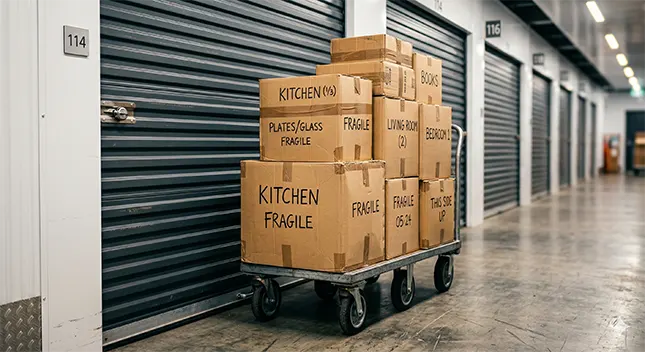
For some European movers, having access to local Lincoln storage is a handy option. Storage can be especially helpful if your timeline isn’t perfectly aligned.
Many people choose to store their belongings in the UK while they travel ahead, giving themselves time to secure the right property before arranging final delivery.
It also helps if there are delays with paperwork, renovations, or tenancy start dates. Rather than rushing decisions, storage gives you breathing space.
It’s also useful if you’re downsizing or unsure what will fit in your new home abroad.
Barnes of Lincoln offers secure, flexible storage options at their depot, allowing your move to be split into manageable stages:
Planning Your Move: Practical Tips
Meticulous preparation makes all the difference when moving abroad.
As your overall quotation will be based on the volume of your consignment, start by decluttering. There’s no point paying to ship or transport items you no longer need, want or intend to use.
Create a clear inventory, notify utility providers, and check visa or residency requirements early.
For country-specific entry rules and living guidance, the British Expat Guide is packed with invaluable information.
Working with an experienced removals company also helps you stay on track and avoid common pitfalls.
Why Choose Barnes of Lincoln for Your European Move
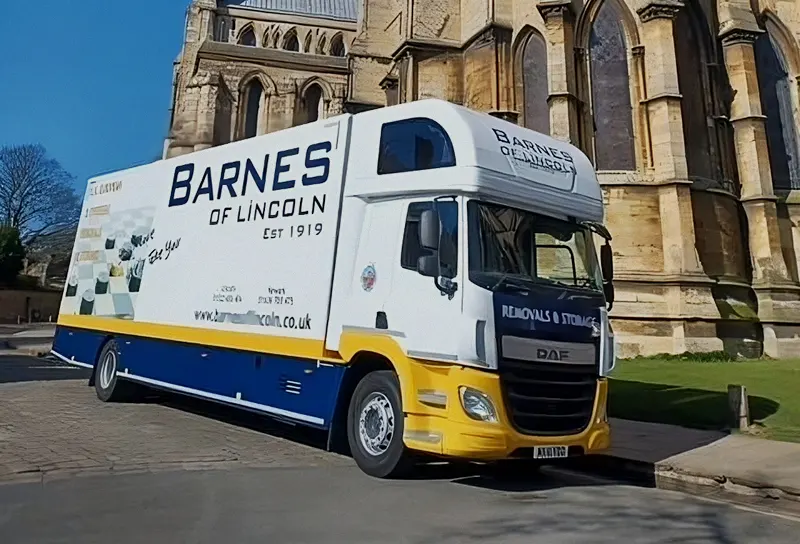
When you are choosing your European removals expert, consider Barnes of Lincoln.
We bring decades of hands-on experience in European removals, backed by local Lincolnshire knowledge.
As a British Association of Removers (BAR) member, we operate to the highest industry standards, so you can move with complete confidence.
From professional packing and secure storage to fully tailored removal plans, their team manages every detail on your behalf.
Whatever your destination in Europe, Barnes of Lincoln will get you there smoothly, efficiently, and without stress.
Ready to get started? Visit barnesoflincoln.co.uk/contact-us or call our team today for a personalised, no charge, no obligation quote for your pending move.
Frequently Asked Questions About European Removals
How much do European removals from Lincolnshire cost?
Costs typically range from £1,000 to £10,000+, depending on volume, distance, and services required, such as packing or storage. A pre-move survey is needed to be precise with costing.
Do I need to pay customs duty when moving to Europe?
In most cases, personal belongings are duty-free if you meet residency requirements, but documentation must be correct. If you send new items, you need to keep the receipts for customs, or you will be charged tax on them.
How far in advance should I book my move?
Ideally, 4–8 weeks in advance, especially during the busy summer months.
Can I share a removals load to reduce costs?
Yes, part-load services are a popular and cost-effective option for smaller moves.
Will the removals company handle customs paperwork?
Professional European removal firms, including Barnes of Lincoln, assist with or manage customs documentation.
Is insurance included in European removals?
Basic cover may be included, but comprehensive insurance is usually offered as an additional option.